![[Not So] Little Women](https://voxiitk.com/wp-content/uploads/2026/09/WhatsApp-Image-2026-09-28-at-19.21.06-240x300.jpeg)


Disclaimer: Vox Populi, IIT Kanpur, is the exclusive owner of the information on this website. No part of this content may be duplicated, paraphrased, or interpreted in any other way without written consent from Vox Populi. If you want to reproduce any of the content on this page, please contact our chief editors directly or reach out to us by email at voxpopuli@iitk.ac.in.
In this edition of As We Leave 2026, Nikhil Gupta, a Y22 from the Department of Chemical Engineering, reflects on a journey that began with youthful excitement and evolved into a profound appreciation for the connections formed along the way. He writes about the “accidental” friendships that became a family, the resilience built through his time with Team ERA, and the shared support that defined his final placement season—a poignant reminder that the most significant parts of college are often the moments we never planned for.
Disclaimer: The views presented below are the author’s own and are not in any manner representative of the views of Vox Populi as a body or IIT Kanpur in general. This is an informal account of the author’s experiences at IITK.
One of the toughest things I had to do in a while is writing this AWL. It is extremely difficult to put the best four years of your life into one short summary but I gave it a try. A special thanks to Atharv and Adiba for dealing with my endless procrastination and repeatedly reminding me to actually sit down and write this. College seemed like a whole lifetime worth of memories, lessons, friends, and so much more. I still remember when I came to this college full of zeal and excitement, excitement to explore a life beyond JEE, excitement to meet new people, try new things, and live independently for the first time. Looking back, I feel there were many different phases to my college life, each of which I have described further in this AWL.
The Naive Phase: Strangers Becoming Family
Like many people, my expectations of college life came mostly from movies and stories. I thought it would be fun, but I had no idea just how much fun it could be. IIT Kanpur was beyond anything I could have imagined. I still remember my very first day in Hall 13. Within a few hours of meeting my wingmates, we were already out for a late-night football session. Looking back, it amazes me how effortlessly friendships formed in those days. Nobody cared about your branch, your rank, or where you came from. There was a child-like innocence to everything. We were all equally lost, equally excited, and somehow that was enough. The first few weeks introduced me to everything that makes IITK special—the Amma-Bapu culture, Harlem Shake, Reel to Real, Wing Culture, Hostel Parades, and countless traditions that seemed strange at first but quickly became a part of life. College has a way of turning strangers into people you cannot imagine your life without. There is something unique about the family-like atmosphere here.
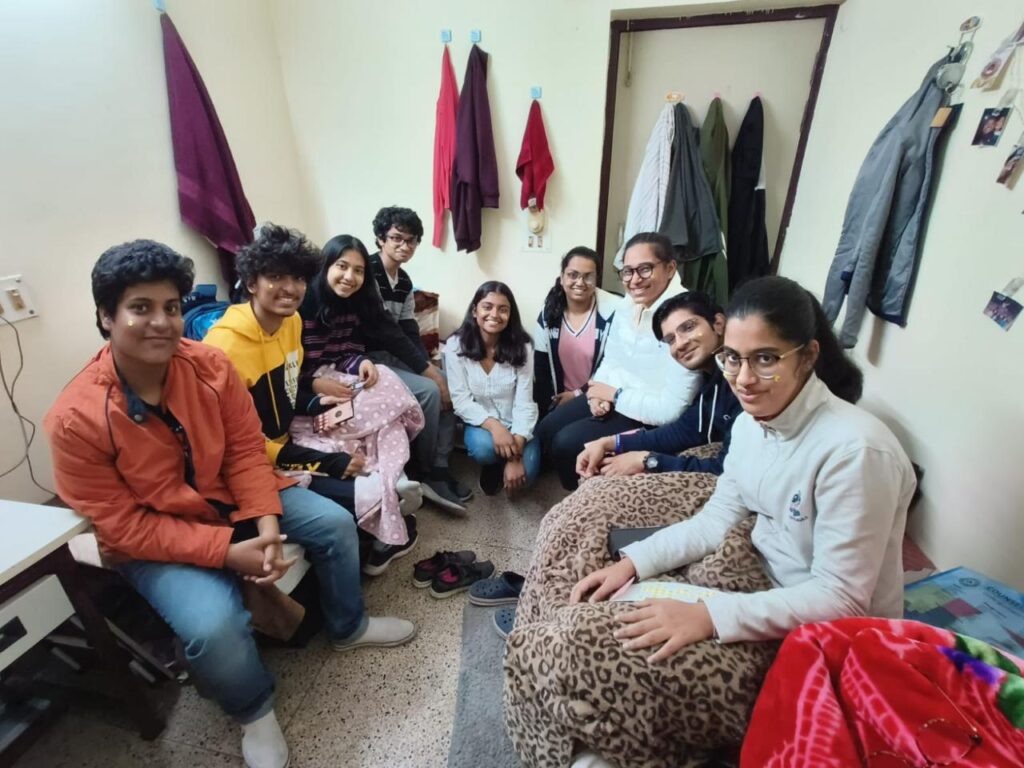
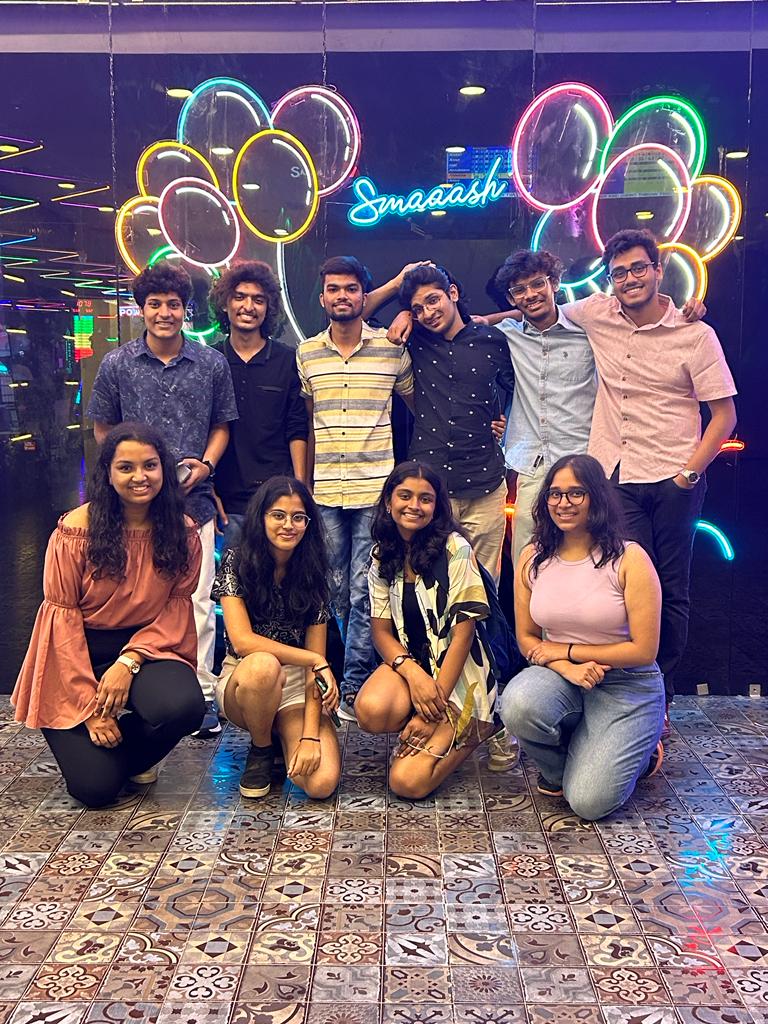
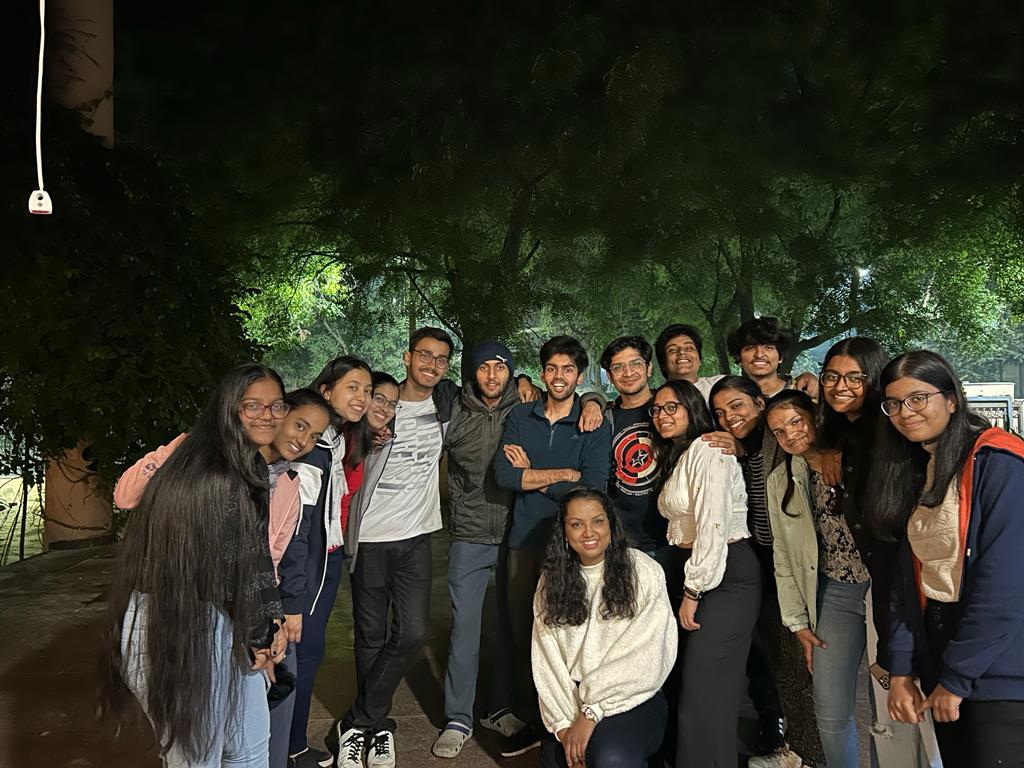
Like every fresher, I arrived with far more excitement than wisdom. I wanted to experience everything—make new friends, explore every corner of campus, bend a few rules, and, of course, become “cool.” Being a fairly social person, I met a lot of people during those first few months but what is funny is that some of the most important friendships of my college life began in the most unexpected way possible.
Like most boys on campus, I had a crush on a girl. A friend of mine happened to know her and her friend circle, so I asked him to introduce me. He introduced me—and a few of my wingmates—to them. At the time, it felt like a completely ordinary interaction. None of us had any idea that this random introduction would end up shaping the next four years of our lives.
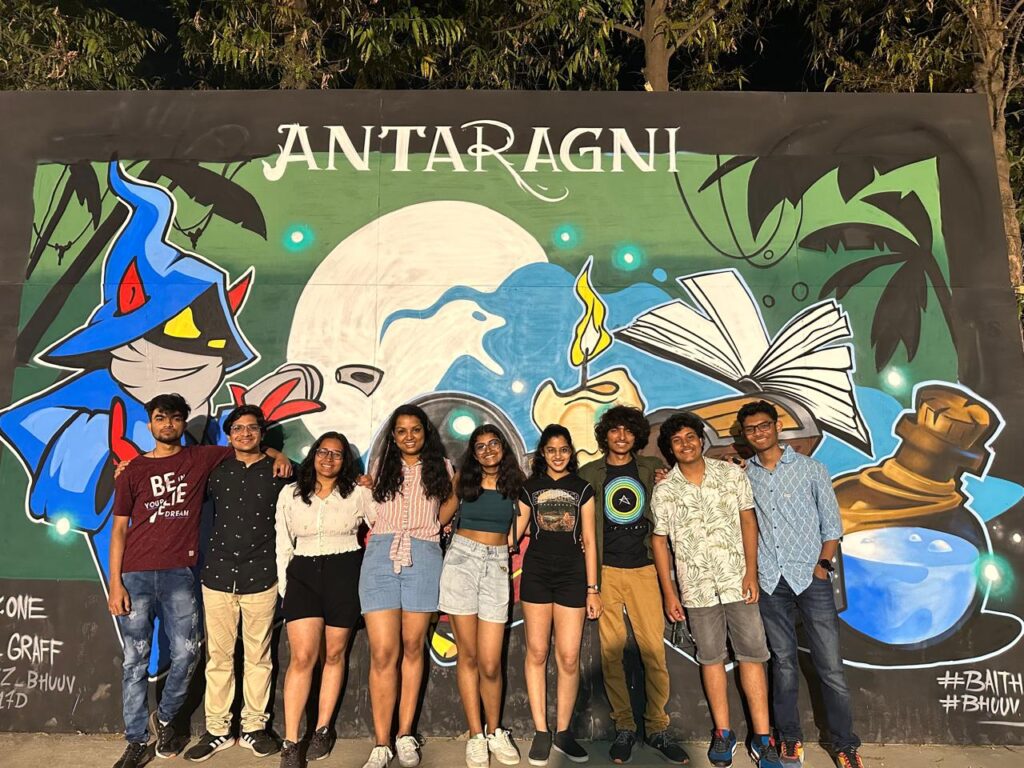
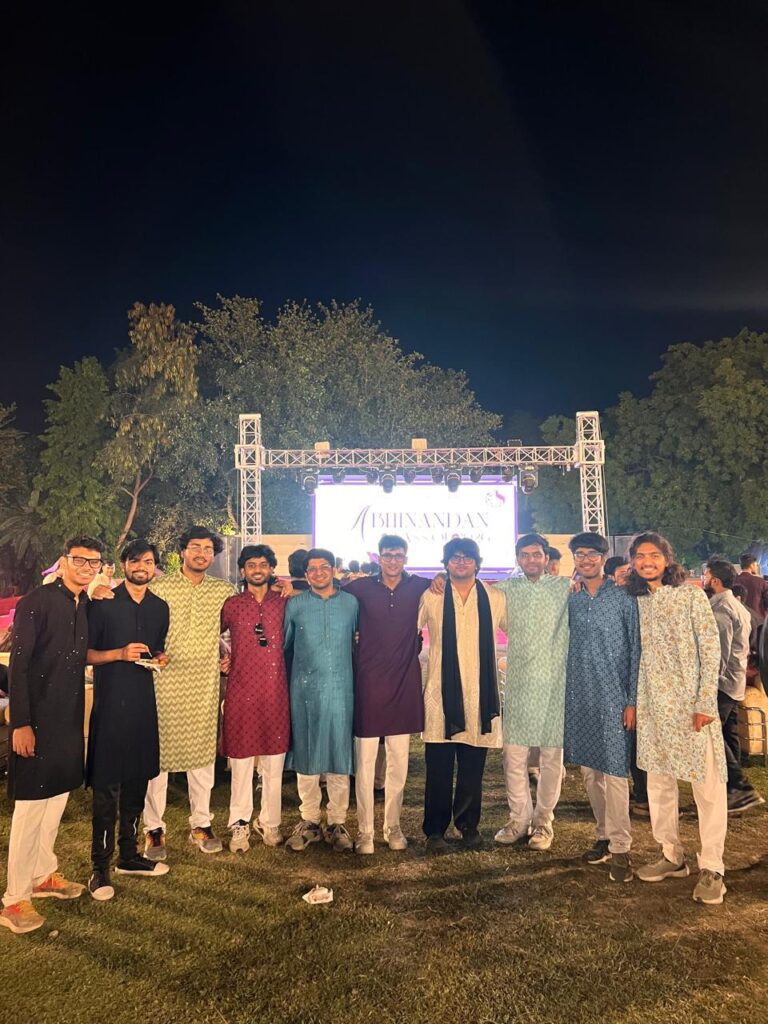
Somewhere during our first year, we created a WhatsApp group called “Mujhe Kya, Main Toh Cute Hoon.” What started as a random group with a ridiculous name slowly became much more than that. It became the place where we celebrated victories, survived failures, shared late-night rants, laughed at terrible jokes, stressed over exams, planned trips, and created memories that I know I will carry forever.
Four years later, as I write this, I realize that the crush disappeared long ago—as most crushes do—but the friendships it accidentally led to became one of the greatest gifts IITK gave me. Through every phase of college, through every change and challenge, they remained constant. They were there in first year, they are here in the fourth year, and I sincerely hope they remain there for many years to come.
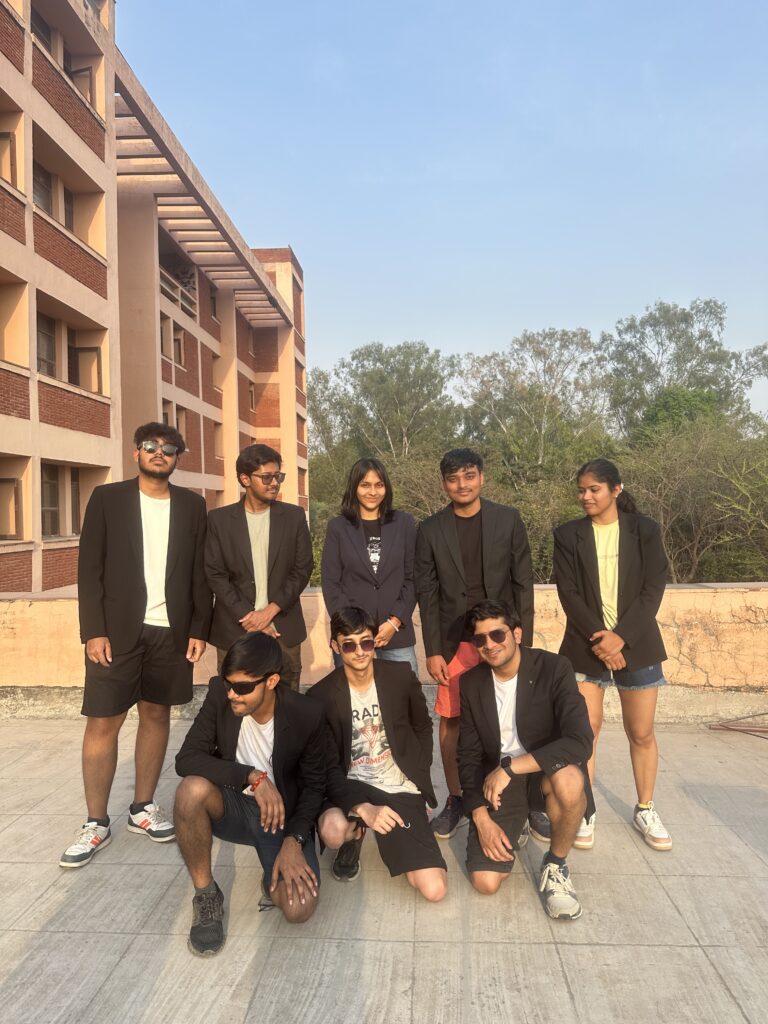
In fact, when I look back at my first year, that seems to be the recurring theme. So many of the people I met during those first few months somehow ended up becoming lifelong friends. My wingmates, who started as complete strangers, became family. Every day brought a new prank, a new mischief, a new pointless late-night discussion, or a new adventure. Whether it was dunk wars, hostel parades, midnight walks, or simply sitting together doing absolutely nothing, they somehow made even the most ordinary moments memorable. I often think I got incredibly lucky with the wing I was placed in. No matter the time or the plan, there was always someone ready to join. Those people I happened to be “stuck with” on the first day turned out to be some of the best people I have ever known. Many friendships came and went over the years, but these were the people who stayed.
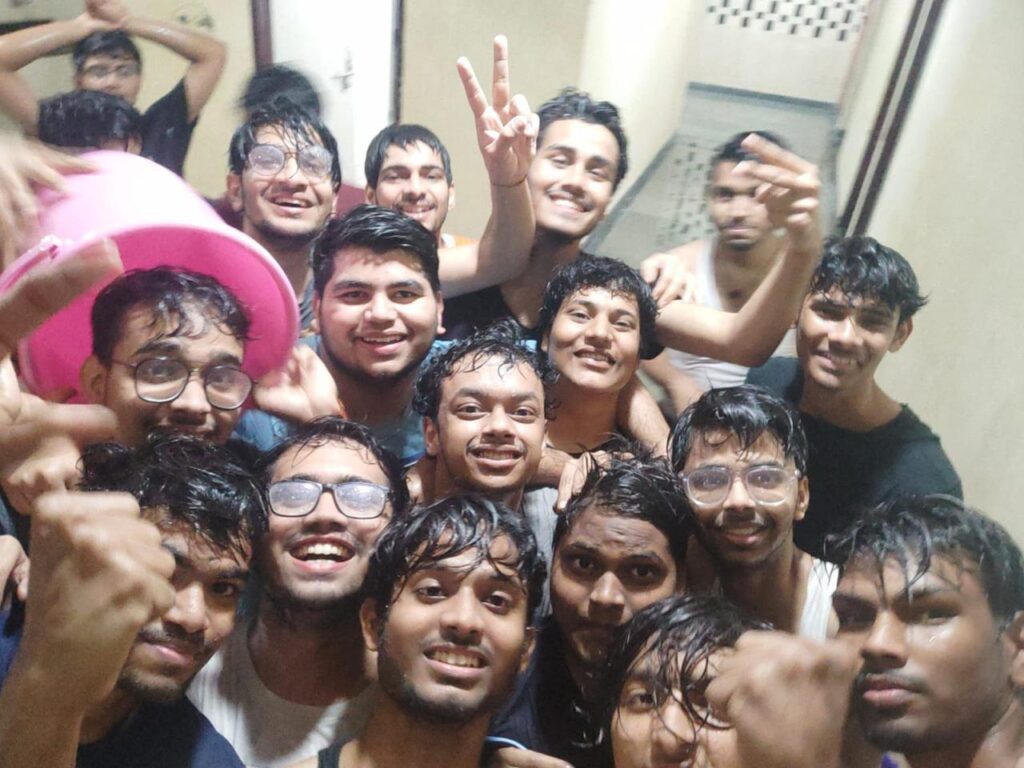
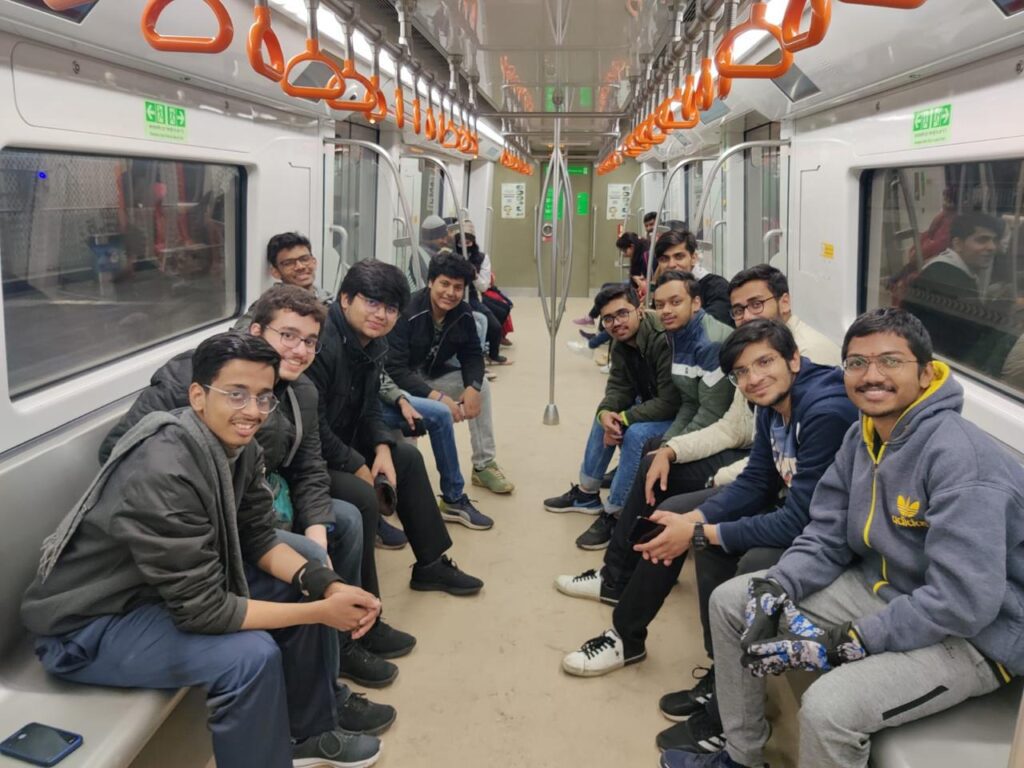
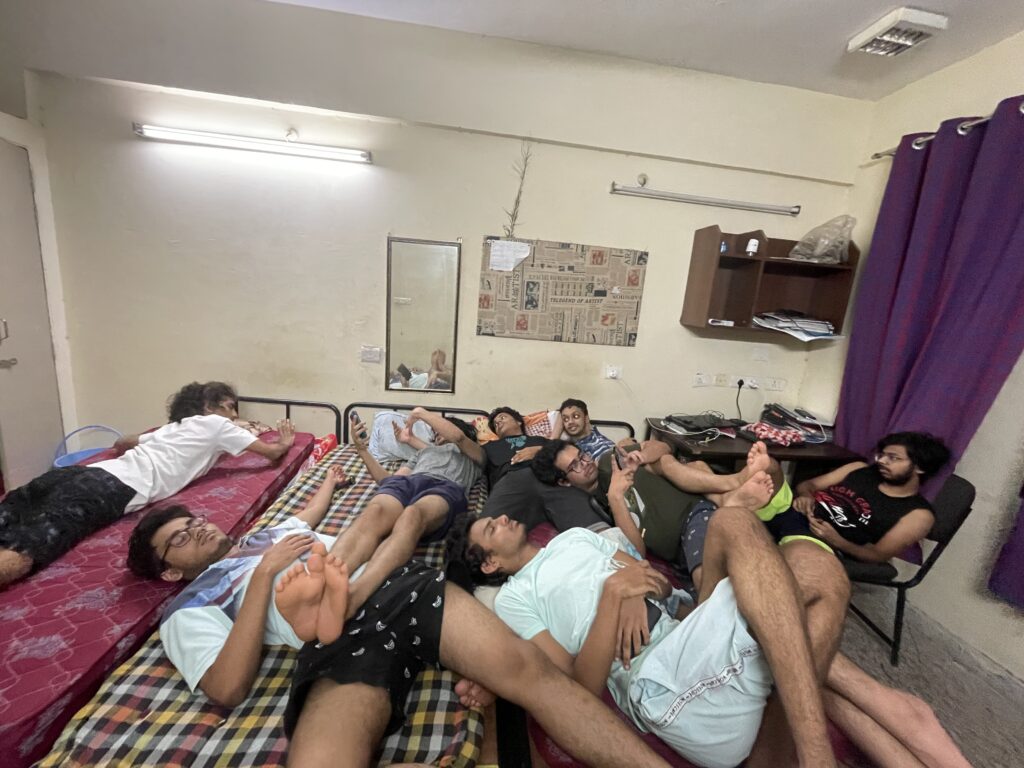
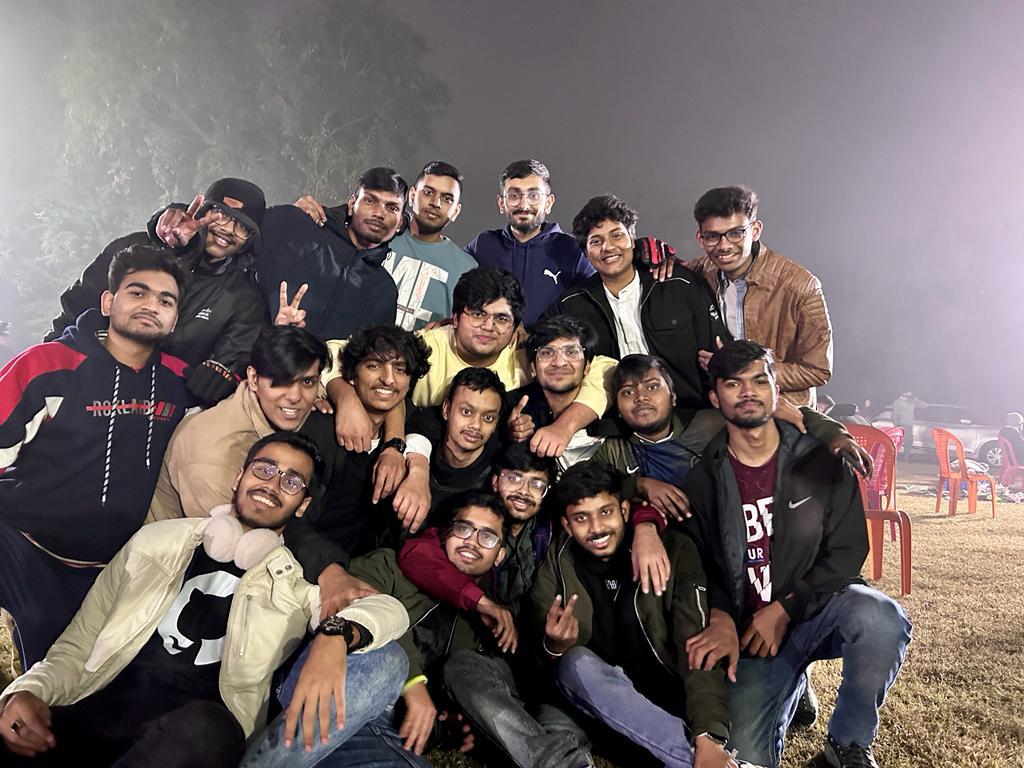
And then there were the friendships that formed almost by accident. One of my closest friend from before college happened to live in the room directly above mine. What started as casually dropping by his room every day eventually introduced me to 2 other people who would go on to become some of my closest friends at IITK. Countless evenings, conversations, jokes, and memories later, one of them even ended up becoming my flatmate.
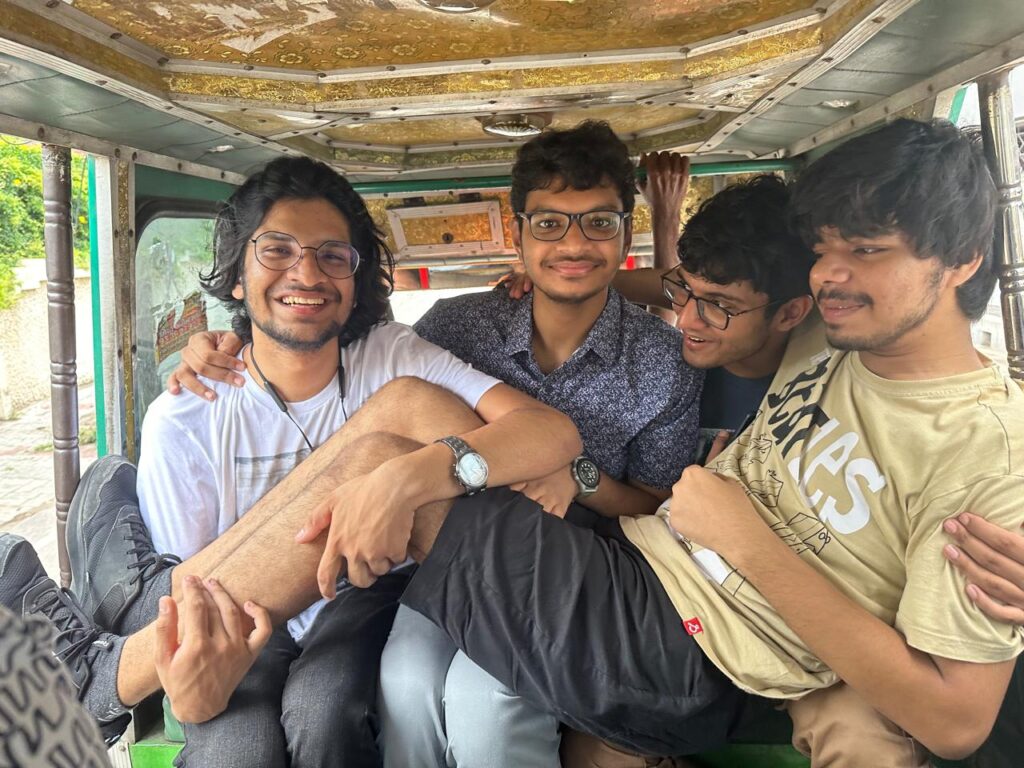
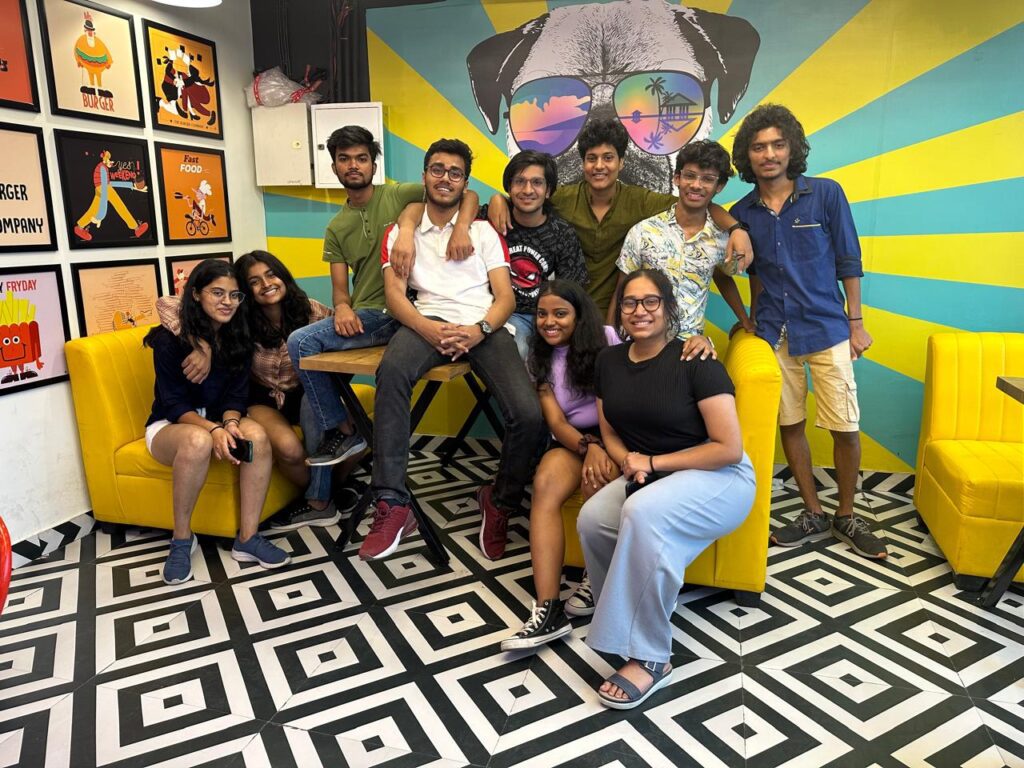
Looking back, the first year taught me something I would keep rediscovering throughout college: the most important parts of life are rarely planned. The friendships that defined my IITK journey began through random room visits, football games, wing culture, and even a forgotten crush. If first year taught me anything, it was to say yes more often, because you never know which small moment will end up changing everything.
The Exploring Phase: Finding My Passion
As the first year progressed, a new kind of competition emerged. We watched our seniors in different clubs and teams and suddenly everyone wanted to become a secy, a coordinator, or a team member somewhere. Looking back, it feels funny how seriously we took it all. Like many others, I initially joined clubs because I thought they would help fill up my resume. At that point, everything seemed like a race. Today, that reason feels completely insignificant.
What I actually gained from those clubs had very little to do with resume points. They gave me friendships, unforgettable experiences, failures, lessons, and some of the happiest memories of my college life. More importantly, they helped me discover who I was and what I genuinely enjoyed doing. For me, that journey began with Team ERA.
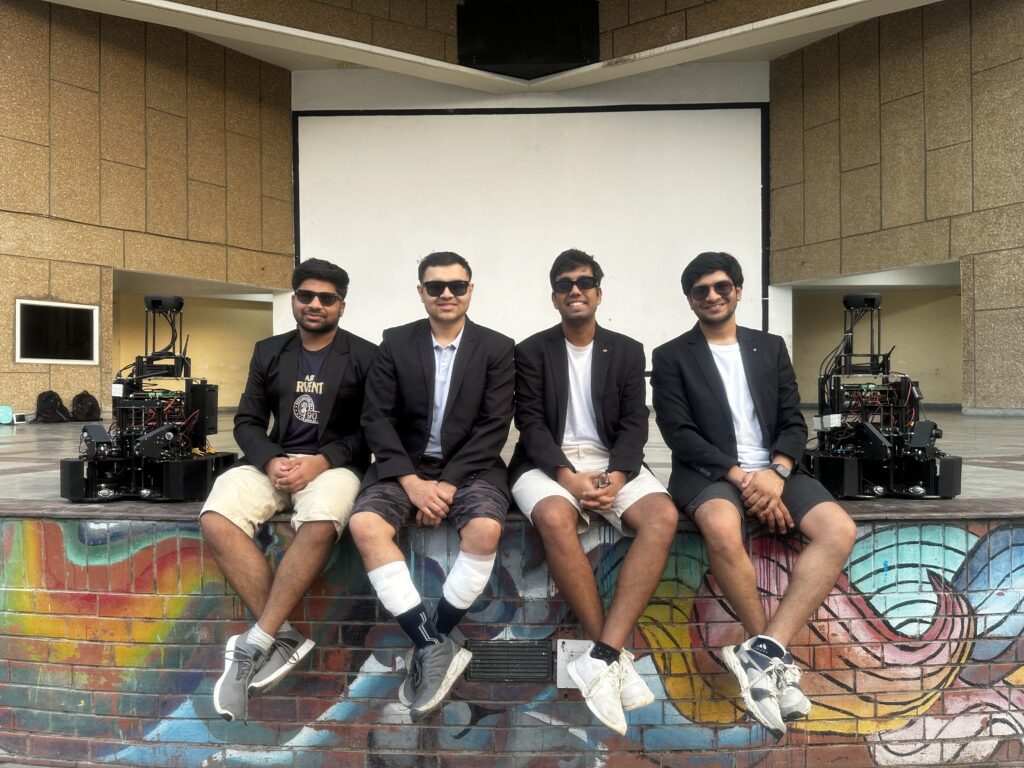
I joined ERA as a member and eventually had the privilege of leading the team as its head. It was there that I truly discovered my passion for robotics. I was constantly surrounded by people who seemed smarter, more capable, and far more experienced than I was. For the longest time, I felt like an imposter who had somehow slipped into the room by mistake. Yet, despite that feeling, everyone was incredibly welcoming. They taught me, trusted me, and helped me grow. What made ERA special was not just the robots we built but the people who built them together. There was always something happening. Something was almost always broken, burnt, malfunctioning, or occasionally kicked into working again. There were endless late nights in the lab, rushed deadlines, last-minute fixes, and countless moments of panic followed by laughter. Some of my favorite memories come from those nights and from the trips we took for competitions.
One tradition that still makes me smile was our annual ritual of planning to attend an international competition and somehow failing to make it happen every single year. Yet no matter what setbacks came our way, the team never stopped. We kept building, kept improving, kept writing proposals, searching for funding, pitching ideas, and trying again. Looking back, that resilience is probably one of the most valuable things the team taught me.
ERA taught me far more than robotics. It taught me leadership, teamwork, project management, fundraising, budgeting, and how to navigate the maze of offices, paperwork, and approvals that come with running a student team. It taught me how difficult it is to turn an idea into reality and how rewarding it feels when you finally succeed.
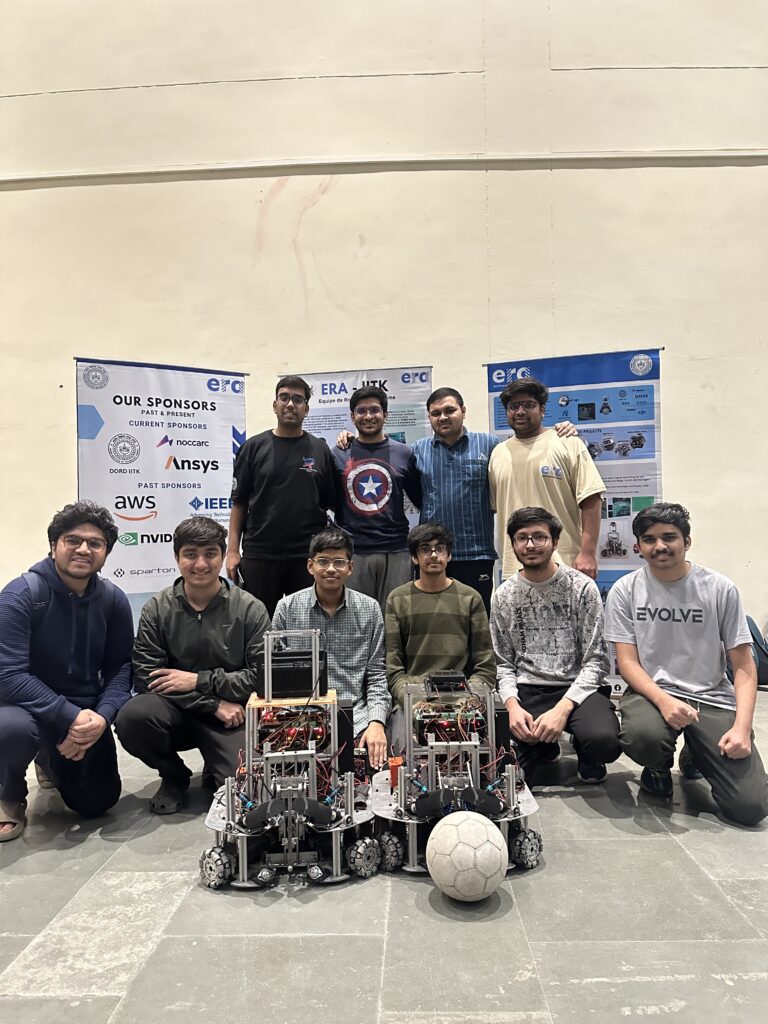
I was also a member of the Robotics Club. While I may not have been the most active member, I somehow managed to squeeze myself into a few competitions and projects. Once again, the biggest reward was not the competition itself but the people I met and the experiences we shared. Some of my favorite trips and memories came from those moments.
Somewhere during these years, I realized that clubs were never about positions or resume points. They were about finding something worth caring about, teaching that there are other things we can pursue, teaching us how to find our passion and balance it with our academics. Through robotics, I found a passion that would eventually shape my career but the bigger lesson was learning to step into rooms where I felt out of place. The moments I grew the most were often the moments when I felt the least qualified to be there. Looking back, that willingness to try, fail, learn, and try again is perhaps the most valuable thing I am taking away from this phase of college.
The Hustle Phase: Between Doubt and Direction
Just when I thought the hustle was over, IITK introduced me to a completely different kind of race,the internship season.
Until then, college had felt like a place to explore, make friends, discover passions, and enjoy the journey. Suddenly, everything seemed to revolve around one question: “Did you get an internship?” For the first time, I saw how easily people could reduce someone to a single achievement. Hostel corridors, mess tables, library discussions—everywhere I went, the conversation was the same. Someone was discussing a company’s shortlist, someone’s rejection, or someone’s success. It often felt as if people were being judged not for who they were, but for the name of the company written beside their name.
I remember hearing comments like, “How did he get that internship? He isn’t even that smart.” At first, I found myself getting influenced by the same mindset. It is easy to get swept away when everyone around you is thinking the same way. But then I started hearing those same comments being made about people I deeply respected—some of the smartest, kindest, and hardest-working friends I had. That was when I realized how absurd it all was. Success was never as simple as people made it out to be. There were countless factors involved, many invisible from the outside. More importantly, a person’s worth had nothing to do with his grades or his internship offer.
The funny thing is that I had never even planned to follow the conventional internship route. I wanted to work in robotics or pursue research, areas where many opportunities existed outside the campus process. Yet somehow, despite knowing that, I got caught up in the same race as everyone else. And when I did not get an on-campus internship, it affected me far more than I expected.
Looking back, not getting an internship was never the real problem. The problem was the environment we had created around ourselves. Slowly, I began withdrawing from things I enjoyed. I stopped going to the library because I was tired of hearing internship discussions. I spent more time alone in my room. The excitement and curiosity that had defined my college life seemed to disappear for a while as I became consumed by preparation and comparisons.
What pulled me out of that phase were the same people who had been there from the beginning—my friends and my wingmates. Because of them, I kept going. And in hindsight, not getting that on-campus internship may have been one of the best things that happened to me. Instead of following the path I thought I was supposed to take, I ended up pursuing opportunities that genuinely interested me. I worked on research, co-authored a paper, got selected for Google Summer of Code, and eventually secured an internship in Robotics by the end of my third year. Ironically, I ended up exactly where I had wanted to be all along. None of those things might have happened if I had received the first internship I was chasing.
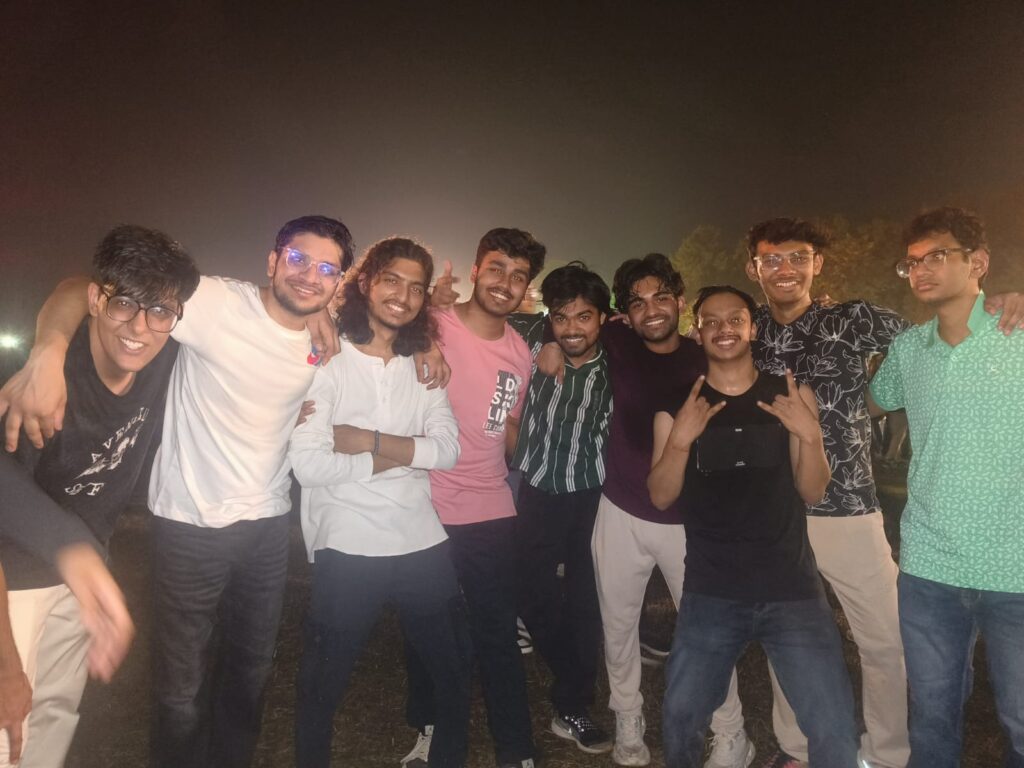
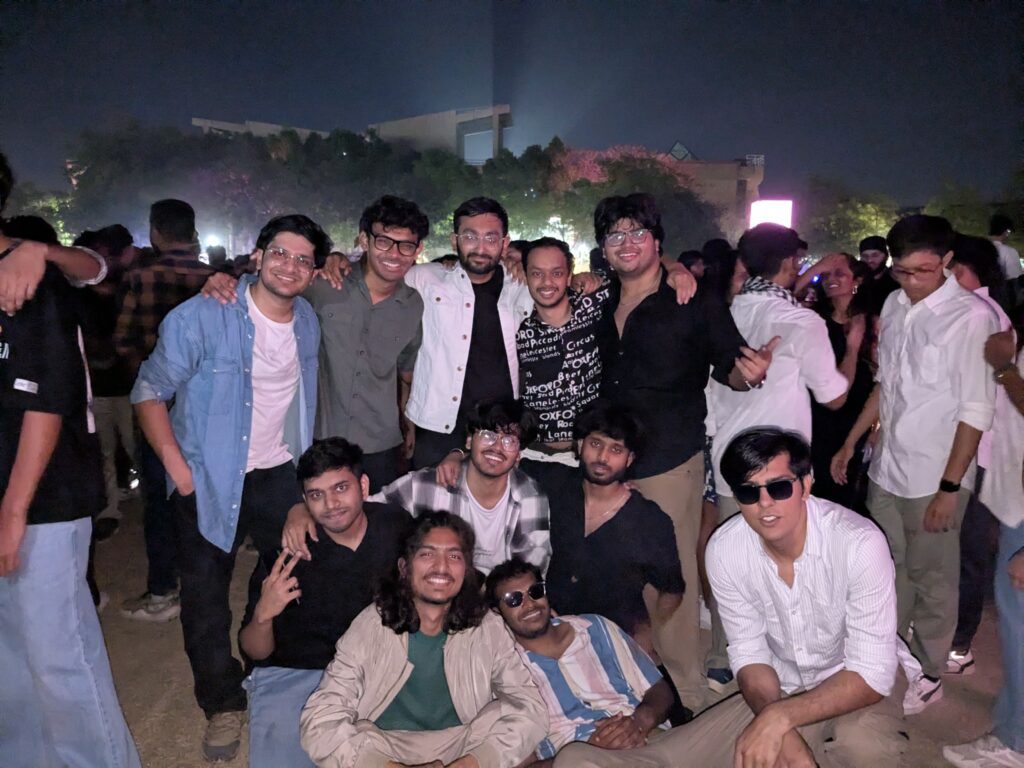
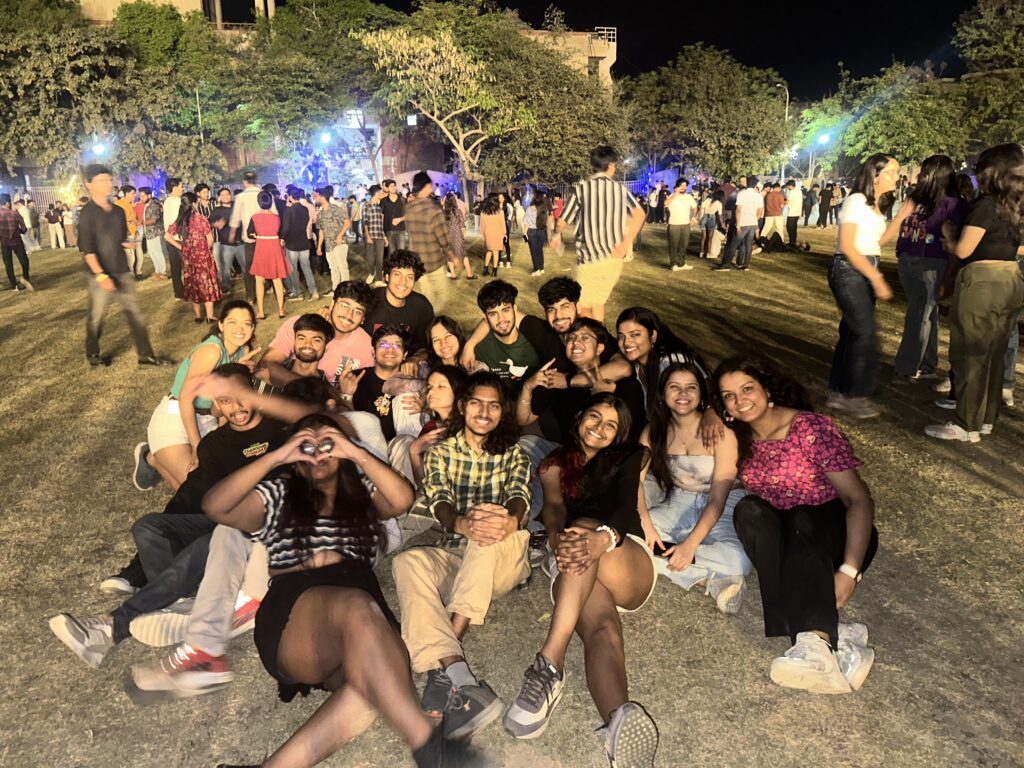
That phase taught me lessons that extended far beyond careers and internships. It taught me that comparison is a dangerous thing. It taught me that setbacks often redirect us toward better opportunities. Most importantly, it taught me to define success for myself rather than letting others define it for me. When I look back now, I barely remember who got which internship. What I do remember are the people who stood beside me when things were not going well. And once again, that seems to be the story of my time at IITK: whenever I got lost, the people around me helped me find my way back.
The Placement Phase: The shared success
When people started returning from their internships, something felt different. For the first time, there was a sense of independence. We had spent a summer outside the IITK bubble, living on our own, earning our own money, and getting a glimpse of what life after college might look like. Along with that came another realization—this incredible four-year journey was slowly coming to an end. Somehow, that realization made everything feel more precious.
By then, I had moved to Hall 1, which I firmly believe is one of the most entertaining places on the planet. The place was always alive. There was never a dull moment. I still remember walking into the canteen on a random Tuesday evening and seeing someone standing in the middle of the room laughing uncontrollably while staring at the menu. No conversation, no joke, no context—just the menu. That was Hall 1. The entire place seemed to operate on a completely different wavelength.
Then came placement season. I genuinely think placements are an experience worth having, regardless of the outcome. Not because of the jobs themselves, but because of everything that happens around them. The preparation was almost as memorable as the process. Every night, a group of us would gather in someone’s room with the intention of studying. Somehow, within thirty minutes, we would end up opening previous years’ placement statistics and spending the next few hours predicting our futures. “Apni toh nahi lagegi bhai.” or “Maximum itni hi lagegi.” The conclusions changed every day, but the discussions remained constant.
Some people already had PPOs. Some were still searching. Some looked confident while others were quietly panicking. Yet despite the uncertainty, there was something strangely enjoyable about the whole experience. Even spending eighteen hours a day solving tests and preparing for interviews felt manageable. At one point, my laptop gave up on life entirely. As a result, I ended up using almost everyone else’s laptop in the wing. To this day, I probably remember more passwords from my wingmates than my own. Nobody ever hesitated to help. Whether someone was preparing for placements themselves or waiting for an interview call, people always found time to support each other.
When my placement day arrived, most of my shortlists happened to be in finance. This was particularly amusing because I knew almost nothing about finance. Realizing that teaching me finance overnight was a hopeless task, my friends decided to focus on what could actually be saved. They sat me down and taught me how to approach group discussions, how to listen carefully, how to build on someone else’s point, and what major finance news stories I should know. One friend spent hours researching likely GD topics and even gave me some quotes he thought I could use. By pure luck—or perhaps because he knew finance a lot—that was exactly the topic I ended up getting.
What amazed me most, however, was not the preparation. It was how everyone somehow managed to be present for everyone else. While some people were sitting for interviews, others were handling calls, tracking shortlists, forwarding information, pushing resumes, coordinating with seniors, and doing whatever they could to help. It felt like an entire support system.
There were moments during my interviews when I felt completely hopeless. I thought I had messed up. I thought things were not going my way but then I looked around and I saw people who genuinely wanted me to succeed. Friends who were standing outside interview rooms, making calls, tracking updates, and in one particularly memorable case, almost harassing the HSBC HR team on my behalf. They were fighting for my placement harder than I was.
What made the placement season truly special was something I never expected. For a process that is often described as competitive, I saw remarkably little selfishness. People celebrated each other’s shortlists as if they were their own. If someone had an interview, ten people would suddenly become experts in that domain overnight. If someone was waiting for a result, everyone waited with them. It felt less like hundreds of students competing for jobs and more like one giant family trying to make sure nobody was left behind, a beautiful sight to watch.
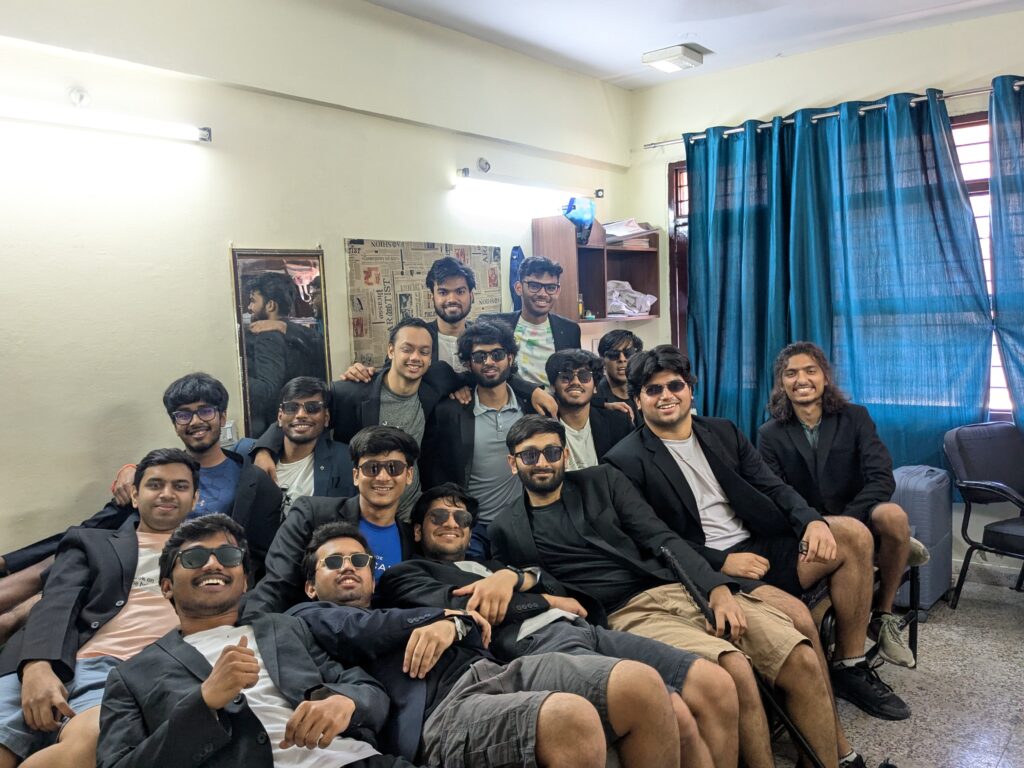
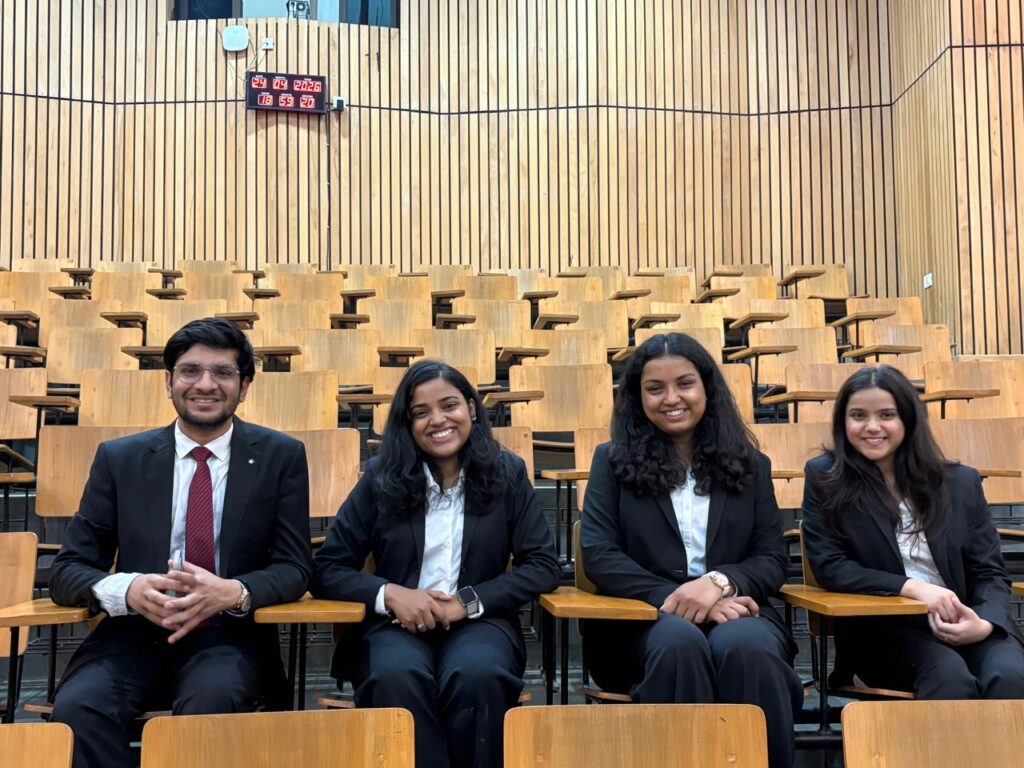
I was obviously happy when I finally got my offer, but what I remember most is not the offer itself. What I remember is looking around and seeing nearly fifteen sleep-deprived people standing beside me, cheering louder than I was. Placement season taught me something unexpected. In one of the most competitive environments on campus, I saw some of the most selfless behavior. People celebrated each other’s successes, shared opportunities, and spent sleepless nights helping friends prepare. It reminded me that achievement feels good, but shared achievement feels even better. Years from now, I will probably forget the interview questions and the company names. What I will remember is how nobody wanted to succeed alone.
The Final Chapter: Before the hostels went silent
One of the funniest things about placement season was how quickly everyone changed once they got placed. Months of stress, preparation, interviews, and anxiety disappeared almost overnight. The moment people secured an offer, they somehow transformed back into their original selves. The placement talks reduced, the tension vanished, and Hall 3 felt like Hall 13 again. And then came the final phase of college life, the goodbye semester.
We truly lived the last semester to the fullest. Looking back, I am still surprised by how little time I spent in my room. At one point, it had become nothing more than a place to sleep. The rest of the day was spent with friends – playing badminton, spending nights over poker, going out for food, attending random parties, and somehow always finding something to do.
Whenever someone was too tired or wanted to skip a plan, the response was always the same: “Dekh le bhai, last sem hai. Phir kab karenge?” And somehow, that argument always worked. What made those months so special was not just the activities, but the feeling that we were all trying to hold on to time a little longer. Friend groups mixed again, old conversations resumed, and the campus briefly felt like first year all over.
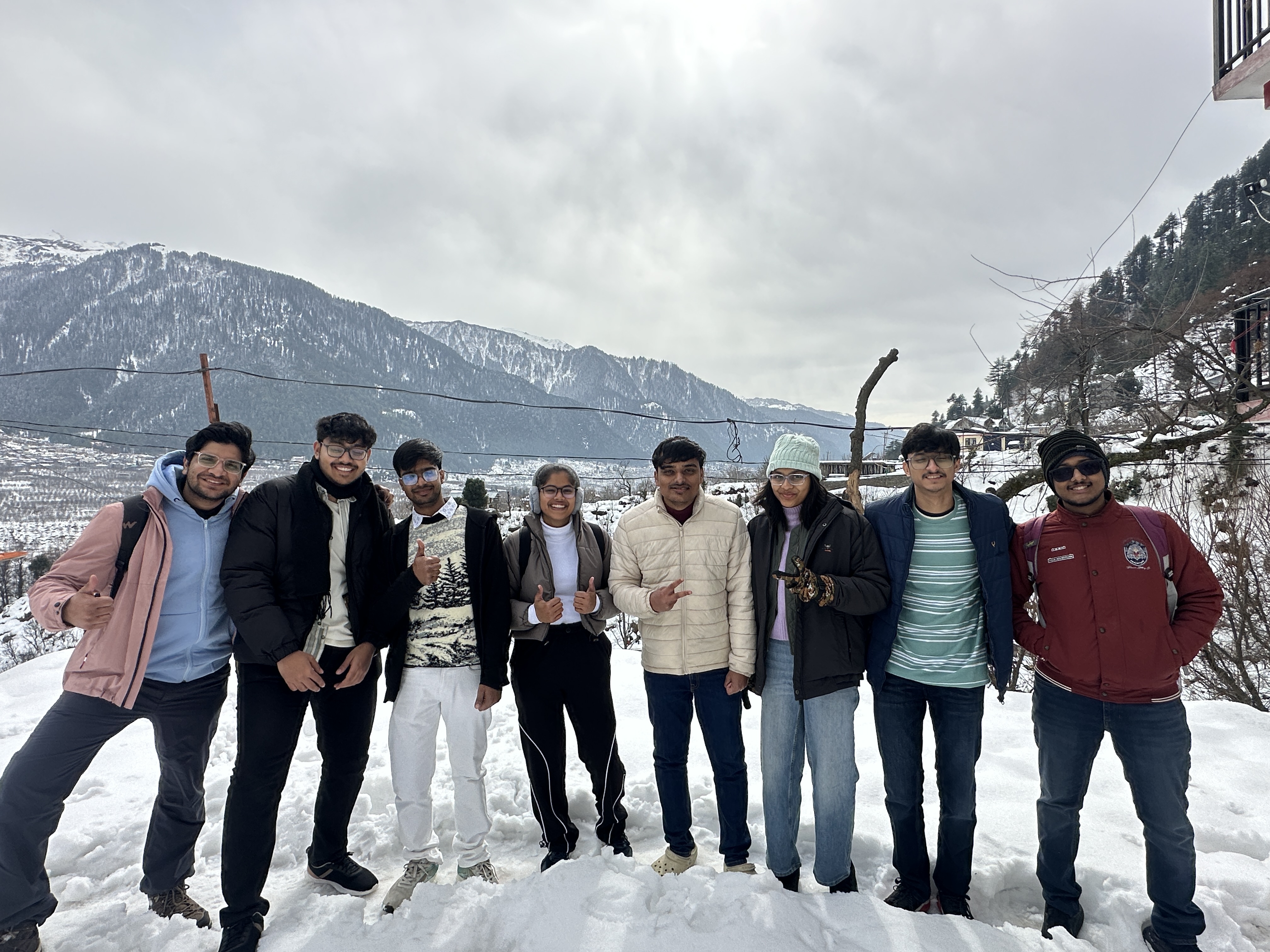
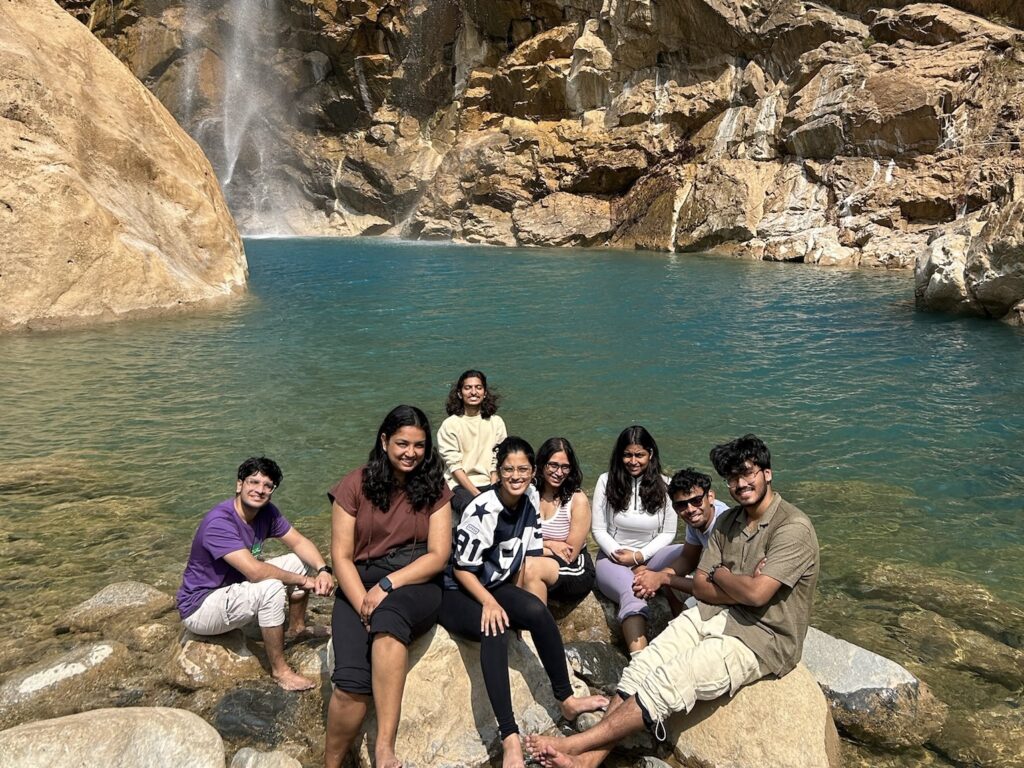
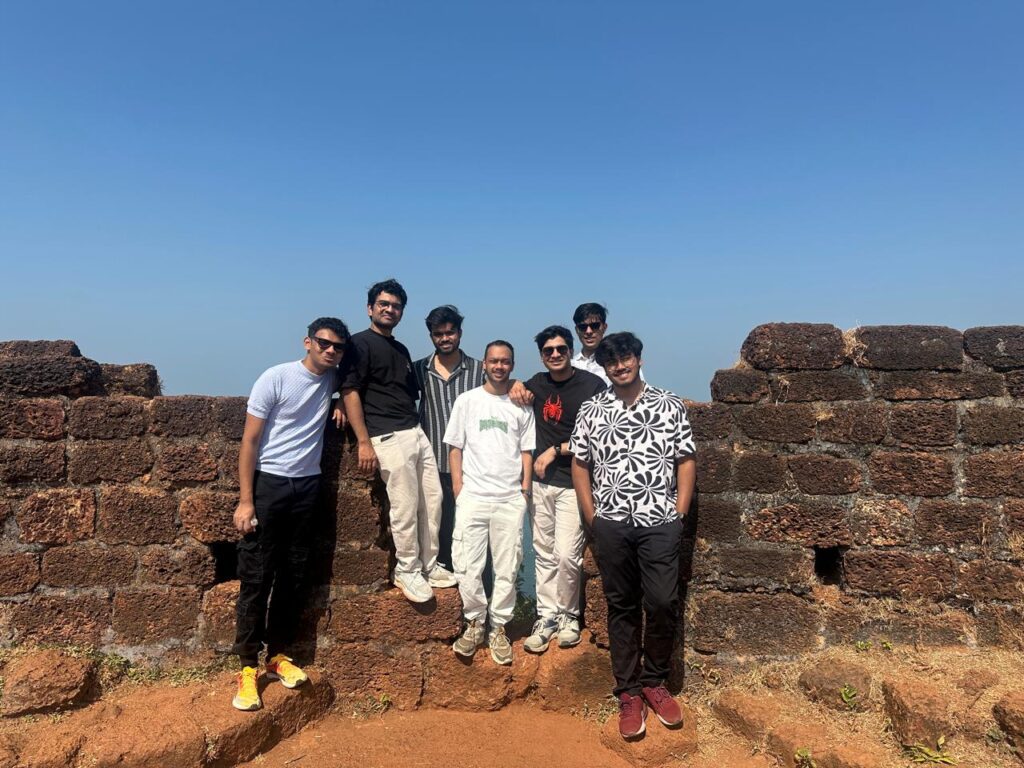
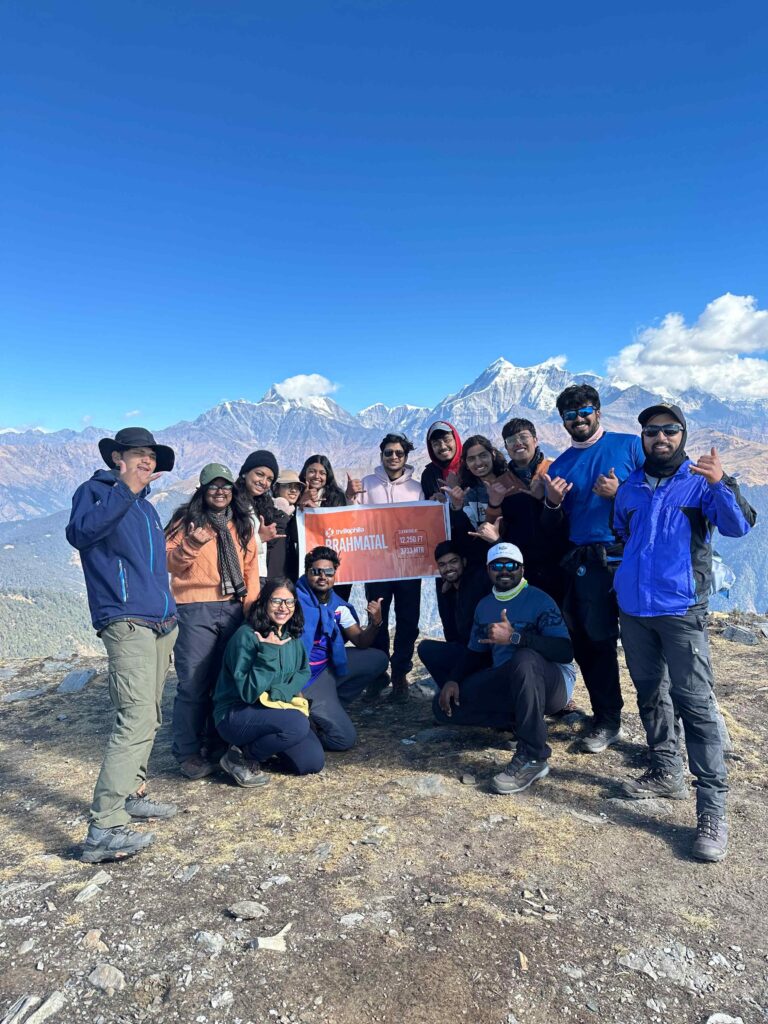
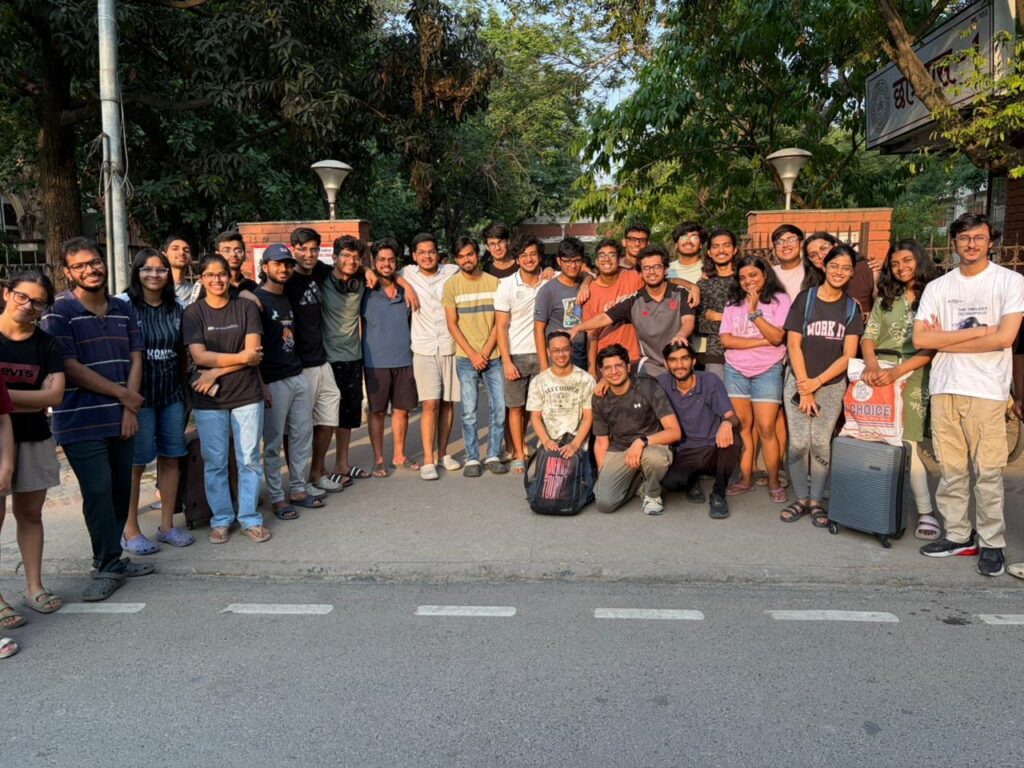
Of course, there were trips too—Goa with my wingmates after placements, the spontaneous and slightly chaotic Manali trip, and finally Meghalaya, with its unreal landscapes and breathtaking treks. The destinations were beautiful, but what stayed with me was the laughter on the long drives, the terrible plans that somehow worked, the silent moments in the mountains, and the endless conversations that made every trip feel alive.
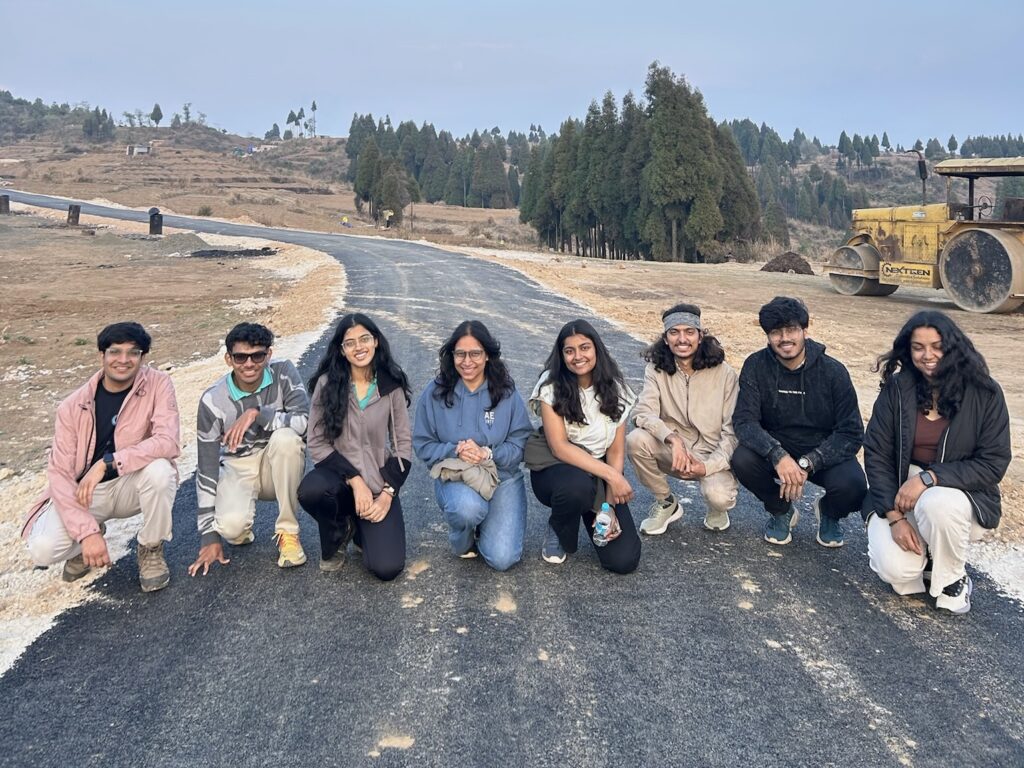
The goodbye semester taught me perhaps the simplest lesson of all: no matter how busy life gets, make time for the people who matter. We often assume there will always be another weekend, another semester, another chance. Then suddenly, there isn’t. The lively hostel rooms become empty. The place that once felt like home feels unfamiliar when you return. The campus where every corner held a memory and every face was familiar slowly became just another place.
We know we have to move on into the real world—that is what we have been working towards all these years apart but a part of us will always keep chasing this time again. We will stay connected, meet whenever we can, and try to recreate some of those memories, but it will never quite be the same. Looking back, I realize that IIT Kanpur taught me much more than academics, robotics, internships, or placements. It taught me to stay honest with myself, to keep going when things do not work out, and to get back up no matter how many times life knocks me down. Every phase of these four years came with its own failures, doubts, and setbacks, but each time there was something new to learn and another chance to try again.
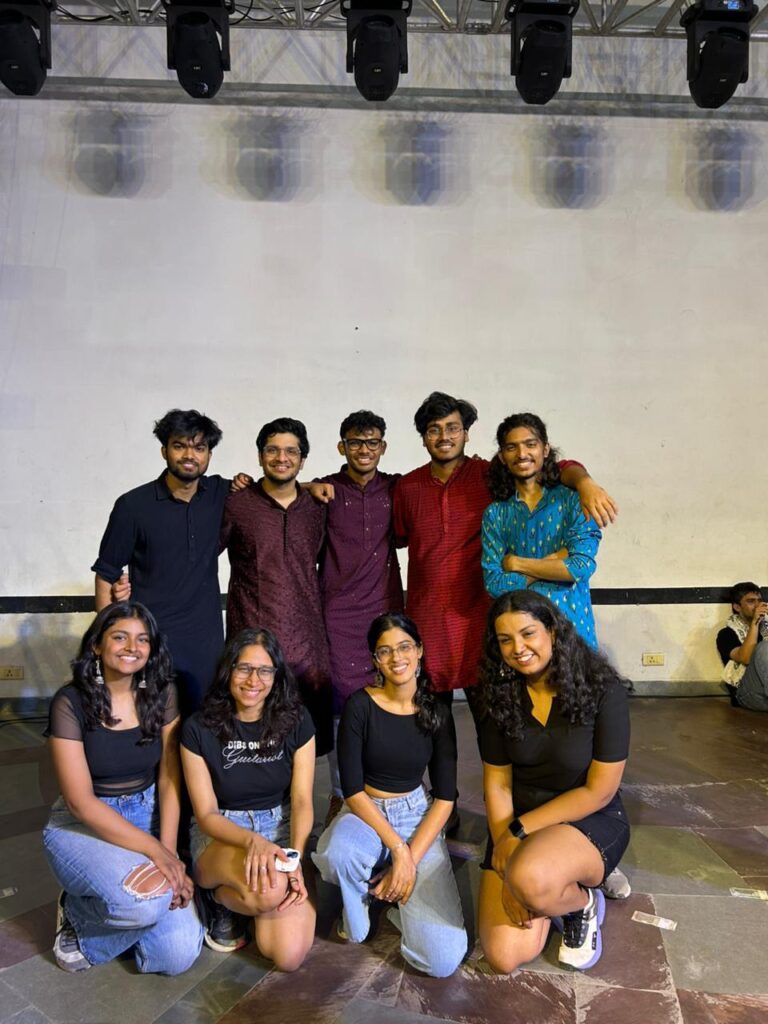
If there is one lesson I am taking with me from IITK, it is this: no matter how low you feel, no matter how impossible things seem, keep showing up, keep learning, and keep trying. Sooner or later, things work out for those who refuse to give up.
Written by: Nikhil Gupta
Edited by: Adiba Areej Laskar, Krishna Khetre


![[Not So] Little Women](https://voxiitk.com/wp-content/uploads/2026/09/WhatsApp-Image-2026-09-28-at-19.21.06-768x960.jpeg)